
Energy Balance Demystified
Understanding facts over fiction about how your body processes energy
Educational Content: This article explains the science of energy balance. It does not provide personal advice or weight management guidance.
What Is Energy Balance?
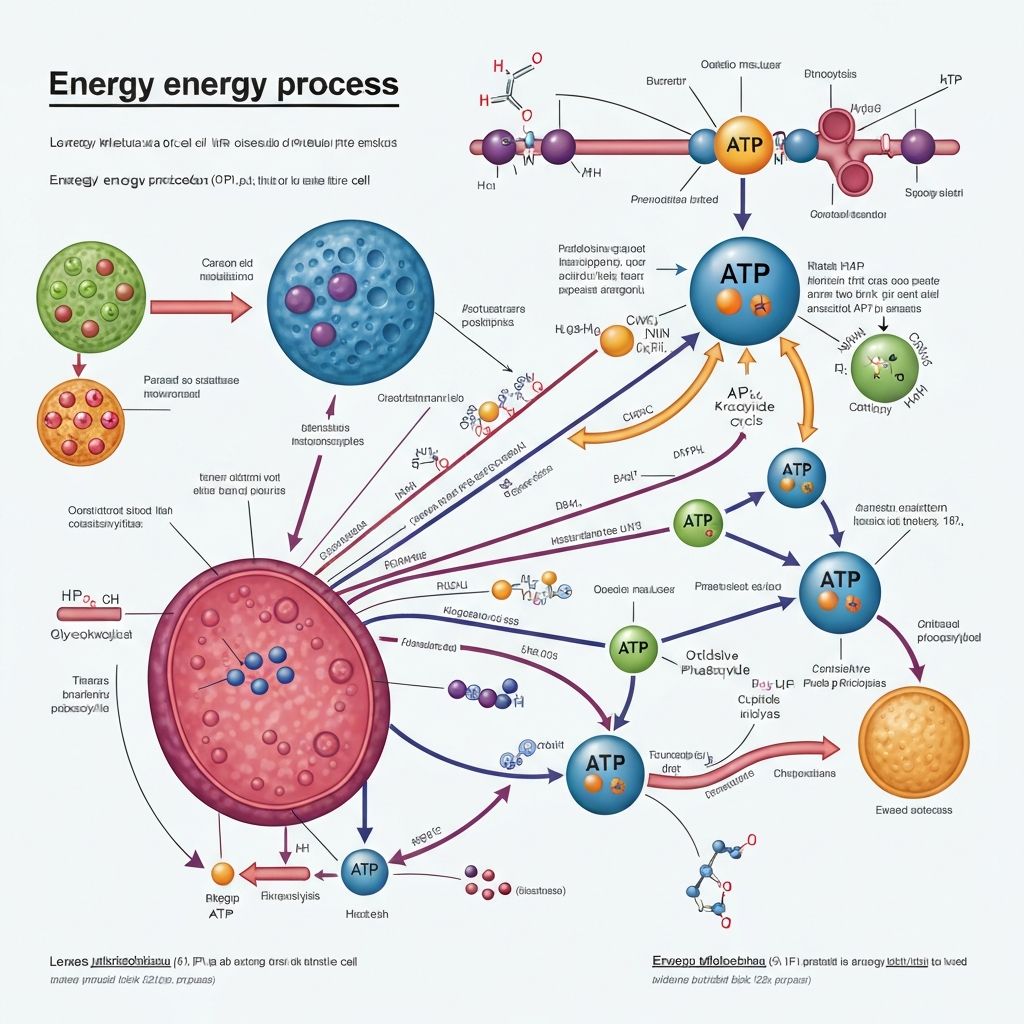
Energy balance is a fundamental concept in nutrition science that describes the relationship between energy consumed through food and beverages and energy expended through metabolic processes and physical activity. Understanding this principle provides a foundation for comprehending how the body manages energy.
The Two Sides of Energy Balance
Energy Intake
Energy intake refers to calories consumed through food and beverages. Different macronutrients provide different amounts of energy per gram:
- Carbohydrates: approximately 4 calories per gram
- Proteins: approximately 4 calories per gram
- Fats: approximately 9 calories per gram
Individual energy needs vary based on multiple factors including age, sex, body composition, activity level, and metabolic factors. These variations exist even among individuals of similar age and weight.
Energy Expenditure
Energy expenditure occurs through multiple pathways:
- Basal Metabolic Rate (BMR): Energy required for basic bodily functions at rest—breathing, circulation, cellular function, hormone production, and temperature maintenance. This typically accounts for the largest portion of daily energy expenditure.
- Thermic Effect of Food (TEF): Energy required to digest, absorb, and process nutrients. Different macronutrients require different amounts of energy to process, with protein typically requiring more than carbohydrates or fats.
- Physical Activity Energy Expenditure (PAEE): Energy expended during deliberate exercise and planned physical activity.
- Non-Exercise Activity Thermogenesis (NEAT): Energy expended through occupational activities, fidgeting, and spontaneous movement throughout the day.
Understanding Individual Variation
While energy balance provides a useful framework, individual variation is significant. Two people of the same age, sex, and weight may have different daily energy expenditure due to:
- Differences in muscle mass (metabolically more active than fat tissue)
- Genetic factors affecting metabolic efficiency
- Hormonal status and endocrine function
- Medical history and current medications
- Composition of habitual diet
- Sleep quality and duration
- Stress levels and management
Common Misconceptions About Energy Balance
Misconception: All Calories Are Identical
While energy balance remains important, research indicates that sources of calories matter beyond just the total amount. The thermic effect of food differs by macronutrient composition. Protein requires more energy for processing compared to carbohydrates or fats. Additionally, different foods have different effects on hunger hormones, satiety, and nutrient absorption.
Misconception: Metabolism Dramatically Changes Based on Meal Timing
Meal frequency and timing affect when energy is consumed and processed, which influences satiety and appetite hormones, but research does not support that meal timing fundamentally alters daily energy expenditure for most people. Individual responses vary.
Misconception: The Body Has a Fixed Metabolic Set Point That Cannot Change
While the body does have mechanisms for regulating energy balance, metabolic adaptation is dynamic. Physical activity, particularly resistance exercise, can support maintenance of muscle mass which has implications for metabolic rate. Changes to metabolic function can occur through various lifestyle factors.
Practical Applications of Energy Balance Science
Understanding energy balance provides a useful framework for thinking about nutrition and physical activity. Some considerations include:
- Energy balance occurs over time, not within a single meal or day
- Multiple factors beyond macronutrients influence energy regulation
- Individual responses to different dietary approaches vary significantly
- Physical activity serves multiple functions beyond energy expenditure
- Sustainability of dietary approaches depends on individual circumstances
The Role of Research
Nutrition science continues to refine our understanding of energy balance and related processes. Different research methods—from laboratory studies to population-based observations—provide different types of information. Understanding the quality and context of research helps in interpreting findings appropriately.
Summary
Energy balance describes the relationship between calories consumed and calories expended. This concept is fundamental to nutrition science, though individual variation and multiple contributing factors mean the relationship is more complex than simple arithmetic. Understanding the basic principles of energy balance provides a foundation for making sense of nutrition research and information.
Explore Related Topics
Interested in learning more about related concepts? Browse our other blog articles:
Macronutrients Explained Rest and Metabolism